
Key Takeaways
- Memory care supports seniors living with Alzheimer’s or other types of dementia through personal care plans.
- Daily services include help with bathing, dressing, meals, laundry, and housekeeping.
- Licensed nurses and 24/7 support help keep residents safe and well.
- Activities, outings, and events encourage friendship and joy.
- Families can join events, seminars, and visits that keep them connected.
- Costs vary, so ask each community about Medicaid and state programs.
Memory Care Services at a Glance
You’ve likely noticed small changes in your mom or dad lately. Maybe the stove gets left on, or the familiar drive to the grocery store feels confusing. Those moments can bring up a lot of questions, and Frontida Senior Living of Liberty House can help you explore what support comes next.
Memory care offers personal care, nutritious meals, 24/7 support, health monitoring, engaging activities, and family resources, all designed for seniors living with Alzheimer’s or other types of dementia. Knowing what each service looks like can help you feel more at ease as you explore senior living options.
What Is Memory Care?
Memory care is a type of senior living built around the needs of people with dementia. It blends daily help with a calm, structured setting, so your loved one can enjoy each day with steady support.
Who Memory Care Serves
Memory care serves seniors with Alzheimer’s or other types of dementia. Every resident has a care plan shaped around their routines, preferences, and needs. If your dad loves an early breakfast and a short walk afterward, the team can build his day around those habits.
Team members receive training to offer calm, caring support. A gentle voice, a patient smile, and a familiar face each morning can help your loved one feel relaxed and respected.
How Memory Care Differs From Assisted Living
Assisted living offers more independence and freedom. Residents there often manage their own schedules and ask for help with tasks like dressing. Memory care adds closer support and secure spaces where residents can move about freely and safely.
Needs can change over time. Here are a few signs that may point toward memory care.
- Getting lost on familiar routes
- Skipping meals or medications
- Feeling anxious or restless in the evening
- Needing more reminders throughout the day
Daily Services in Memory Care
Daily life in memory care centers on comfort and routine.
Personal Care and Everyday Help
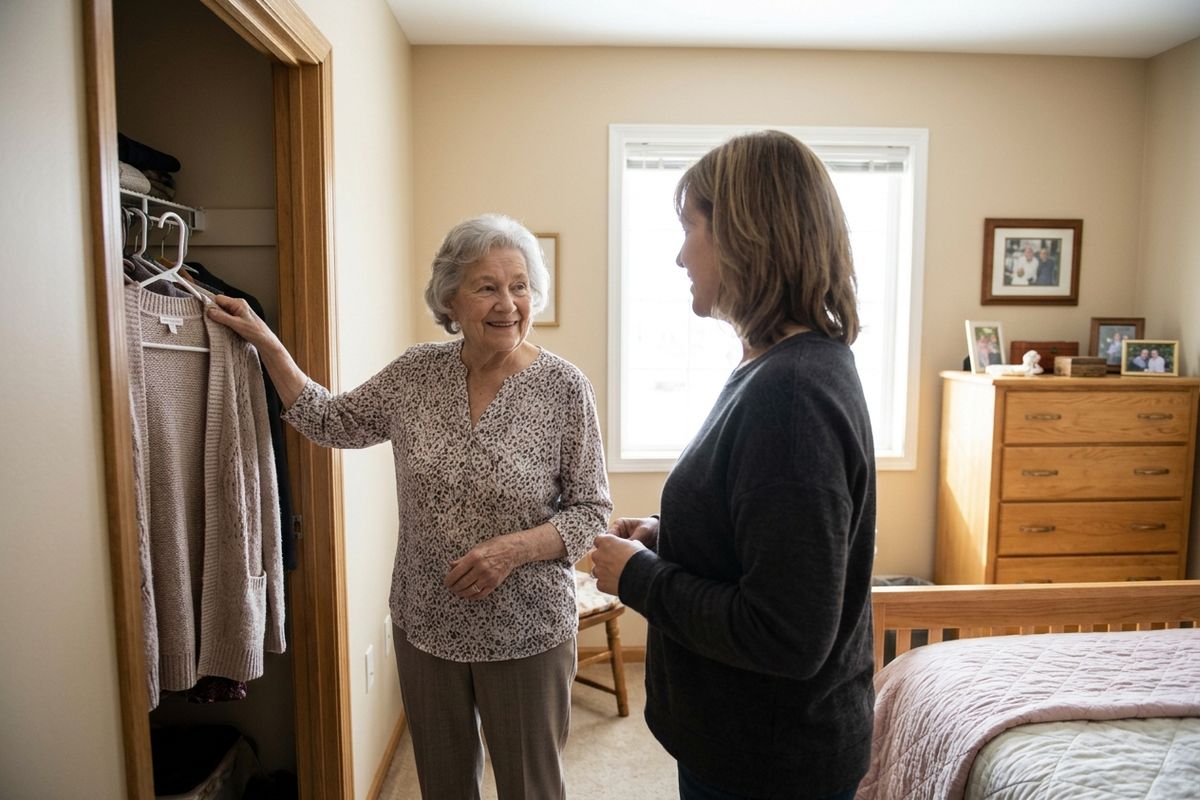
Caregivers help with bathing, dressing, and grooming at a pace that feels comfortable for your loved one. Your mom can still choose her favorite cardigan or wear her hair the way she likes it.
The team also handles laundry and housekeeping, which takes those chores off your plate. Fresh sheets, folded clothes, and tidy living spaces free up more time for the moments that matter.
Meals and Nutrition
Meals are prepared with nutrition in mind. Picture warm oatmeal with berries in the morning or roasted chicken with vegetables at dinner. At mealtimes, a team member might cut food into smaller pieces, offer a gentle reminder to take another bite, or simply sit and chat.

Health and Safety Support
Licensed nurses watch for changes in health or behavior, so small concerns get attention early. If your loved one seems more tired than usual, the team can notice and respond quickly.
Residents also benefit from these added layers of support.
- 24/7 help from trained team members
- Secure spaces that help reduce wandering
- Team members who join residents for medical appointments
Social Activities and Family Support
Days in memory care are full of chances to laugh, create, and connect, and families stay part of the picture, too.
Activities for Connection and Joy
Activities give residents something to look forward to each day. Here are some favorites.
- Puzzles and brain games
- Group social programs
- Outings and movie nights
- Holiday events and celebrations
Many activities encourage physical health and friendships. A chair exercise class or a stroll outside can lift spirits and spark new conversations.
Resources for Your Family
Family events and easy chances to visit help you stay close. You might join a holiday party or drop by for an afternoon card game. Seminars and meetings about dementia care can help you learn new ways to connect with your loved one. You can feel at ease knowing your loved one has caring support each day.
Memory Care Costs and Payment Options
Costs vary by location and level of care. A community in a larger city may have different rates than one in a smaller town, and extra support can affect the monthly price.
Ask each community whether it accepts Medicaid. Wisconsin also offers state programs that may help with long-term care costs for those who qualify. A quick phone call can help you sort through your options and plan ahead.
Find Compassionate Memory Care Support in Fond du Lac
Memory care offers personal care, nutritious meals, 24/7 support, engaging activities, and family resources. Together, these services help your loved one live each day with dignity and respect.
Frontida Senior Living offers assisted living, memory care, and behavioral health services across Wisconsin, so support can grow as needs change. Schedule a tour of Frontida Senior Living of Liberty House to meet the team, see the community, and ask any questions on your mind. The team would love to help you and your family feel supported at every stage.